Home > Lenten Blog 2026
Our Sin-Sick Souls
February 20, 2026
Isaiah 58:1-9a|Matthew 9:10-17|Psalm 51:1-10
There is a Balm in Gilead
To make the wounded whole –
There is a Balm in Gilead
To heal the sin-sick soul.
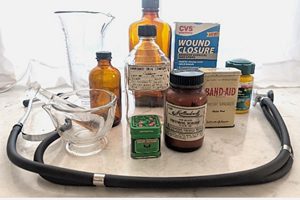
“Wellness” is a term we hear often these days. While the word alone evokes images of good health, wholesomeness and a state of holistic contentment, it is frequently identified in categories: Physical wellness, emotional wellness, spiritual wellness. It is the robust condition of its opposite: Sickness, – of mind, body and soul. Our medicine cabinets are full of remedies for the usual ills, and every day there are endless pitches for pills, potions and other remedies that offer the cure-alls. Take this, do that, sign up for that diet program, drink those juice cleanses, buy that book, hit the gym. Wellness beckons.
Today’s readings and Collect weave practices of outer cleansing and fasting with inner righteousness and healing. “…as we observe it [the fast we have begun] by bodily self-denial, so we may fulfill it with inner sincerity of heart…,” the Collect prays. For the Jews, the many laws, detailed in Leviticus, were strictly followed to ensure God’s favor and blessing, and were carried into Jesus’s time. Many of the laws, it can be argued, were practical advisories to protect the faithful from illness, or worse. But Job’s friends were certain that his misfortunes and maladies were the result of one or many transgressions he had committed. Jesus’s disciples asked Him who had sinned, that the man without sight was born blind. External actions and conditions were directly related to internal spiritual health and God’s benevolence.
That belief, however, did not always produce the desired results: “Why do we fast, but you do not see? Why humble ourselves, but you do not notice?” Isaiah laments. In Matthew’s Gospel, the perennially pious Pharisees see Jesus dining with some tax collectors and sinners (and why are those nasty tax collectors in their own despised category, while the rest are in the catch-all term of ‘sinners’? Just asking.) Jesus, either with His excellent hearing or perception (probably both) replies, “Those who are well have no need of a physician, but those who are sick. Go and learn what this means, ‘I desire mercy, not sacrifice.’ For I have come to call not the righteous but sinners.”
So who is ‘sick’ and who is ‘righteous’? Jesus is quoting the Old Testament prophet Hosea (6:6), implying that Grace is not obtained via rituals and obligations, but through self-awareness and a contrite heart. The many laws regarding purification and cleansing from Old Testament days would seem to have a devout follower breaking out the bubble bath and rubber ducky at an obsessive frequency. We know, and God knows, that we can be squeaky clean after a dip in the tub, but our hearts may still harbor unclean thoughts and dark tendencies.
Such negativity can indeed affect our physical health, and our relationships with God, and each other. Our souls, seeking forgiveness and God’s mercy, are ‘sin-sick,’ to quote from the beloved Spiritual song. The ‘balm in Gilead’, referenced in Genesis and Jeremiah, was an especially potent resin, used for medicinal healing. For us, it is a metaphor for Jesus, who knows and heals our deepest hurts and wounds, and makes us whole, offering that ‘wellness’ in our souls, in our bodies and in our minds.
For behold, you look for truth deep within me,
And will make me understand wisdom secretly.Purge me from my sin, and I shall be pure;
Wash me, and I shall be clean indeed.
– Psalm 58:7-8
Laura Sullivan